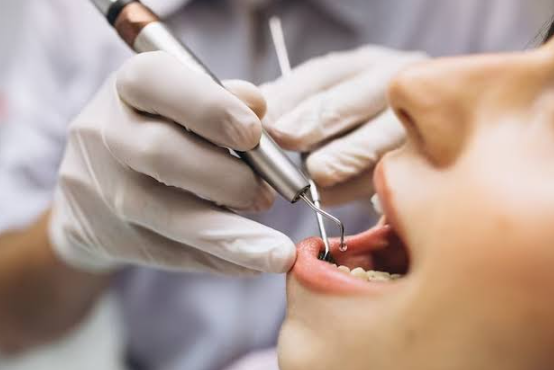
In the last several decades, endodontics has seen a great evolution, offering unprecedented levels of accuracy, comfort and success in dental treatment. As technology advances, endodontists are incorporating new equipment and methods that increase efficiency in treatments and enhance patient results. These trends are transforming the way dental practitioners detect and treat disorders involving the inner structures of teeth.
“Endodontic treatment today is not just about saving natural teeth; it’s also about giving patients a better experience.” The development of high-tech devices and digital technology has changed many old processes, which allows professionals to execute treatments with more precision than ever before.
Advanced Diagnostic Imaging
Another major breakthrough in endodontics is the use of high-resolution diagnostic imaging. While traditional dental X-ray technologies are still useful, advanced imaging methods may reveal far more data about the tooth and the tissues around it.
Endodontists see canals, fractures, infections and other issues that may be concealed and not seen by traditional means. The more accurately the issue is understood, the more accurate and predictable the treatment planning will be. This technology helps to eliminate ambiguity and gives physicians the ability to solve problems before they escalate.
See also: Grey-Market Peptides Explained: Risks and Compliant Alternatives
Dental Microscopes: Improved Precision
Use of operating microscopes has significantly enhanced the quality of endodontic treatment. The increased magnification and light of these microscopes enable doctors to examine the fine features within the tooth.
The root canal system may be quite intricate, with very small tubes that are difficult to see with the naked eye. Microscopic imaging enables endodontists to locate and treat these spots more efficiently. This leads to a better chance of success for the treatment and preserves more of the original tooth structure.
Clinics that use modern microscope equipment as part of their treatment procedure are beneficial to many individuals seeking specialist endodontic care in Sydney.
Contemporary Root Canal Instrumentation
Root canals used to be quite hands-on operations. The way canals are prepared is now being changed by highly developed rotary and reciprocating technologies.
Instruments are built based on flexible materials to better negotiate curved root canals. The better design reduces the chance of procedural mistakes, yet allows the canal system to be cleaned and shaped more thoroughly.
Modern technology also decreases treatment time, making treatments more pleasant for patients while enhancing the efficacy of infection elimination.
Contemporary Irrigation Techniques
The cleaning of the root canal system is one of the most important processes in endodontic therapy. Bacteria may lurk in tiny crevices that mechanical devices may not always get to.
The advanced irrigation technologies have helped a lot to increase the ability to disinfect these places. Specialised activation systems make cleaning solutions penetrate farther into the canal network, making them more effective.
Improved irrigation methods help to reduce bacterial contamination and help to promote effective healing following treatment, and hence, improve long-term results.
Digital Therapy Planning
Digital dentistry is fast becoming an integral part of contemporary endodontics. Computer-aided planning helps doctors to assess diagnostic data and to evolve highly tailored treatment regimens.
Digital records also increase communication between dental providers, ensuring that patients get coordinated treatment when they see numerous specialists. The opportunity to analyse detailed photos that include treatment information helps develop a more holistic approach to oral health care.
It boosts the efficiency of the technology and enables practitioners to make educated judgments at every level of therapy.
Biocompatible Materials And Enhanced Healing
The progress of dental materials has greatly influenced the development of endodontic therapy. The modern biocompatible materials are developed to be compatible with natural tissues and to promote healing.
These materials have good sealing ability and reduce the chance of re-infection after the treatment. They are also more durable and more predictable than many materials utilised in prior decades.
This, in turn, means better patient results and more confidence in the long-term effectiveness of their therapy.
The Future Of Endodontic Care
Innovation continues to define the future of endodontics. Artificial intelligence, sophisticated imaging systems, smarter materials and better treatment technologies are likely to substantially improve the care of patients in the next few years.
With these advances becoming more widespread, patients will benefit from earlier diagnosis, more accurate treatment and better long-term dental health results. Today’s endodontic treatments are much more than just curing a toothache. Today, they are a complex combination of science, technology and specialist experience, all dedicated to preserving natural teeth and improving overall oral wellbeing.
As new procedures are developed, endodontic therapy will continue to evolve, giving patients safer, more effective and more pleasant treatment experiences.